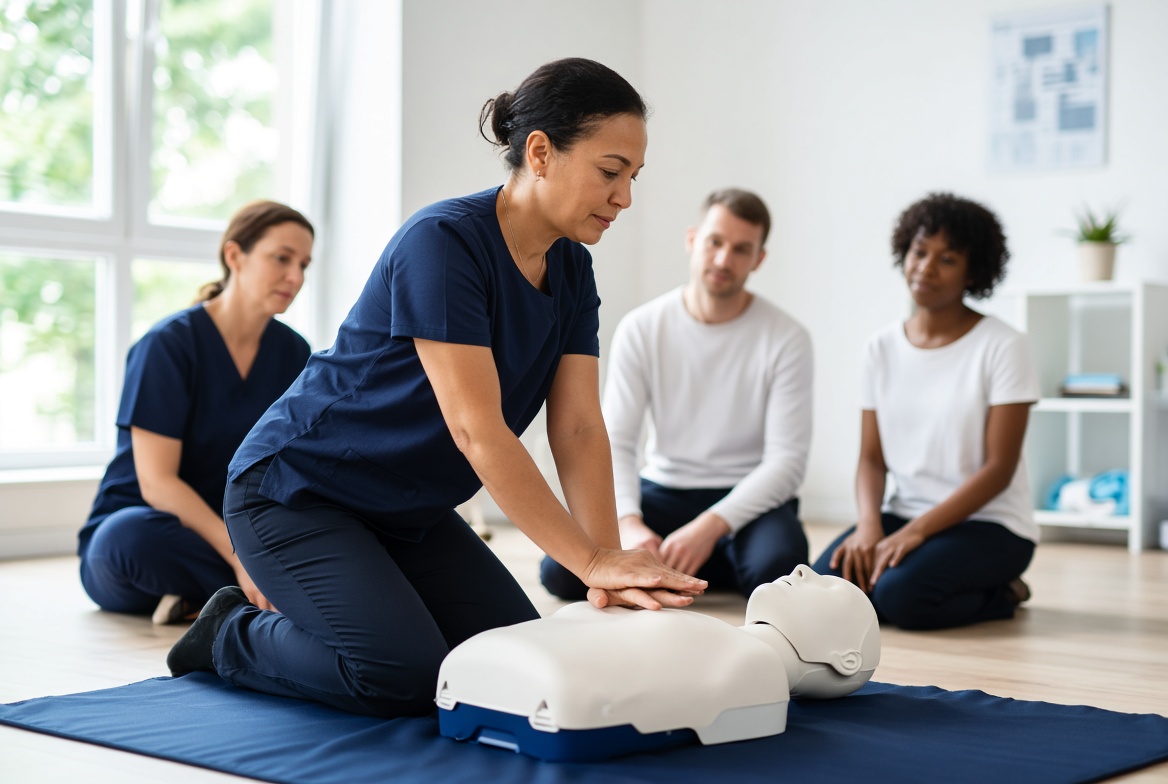
Hands-only CPR: what a bystander should do
How to recognize cardiac arrest, call for help, and push hard and fast in the center of the chest.
Training since 1987
Short guides on CPR, defibrillators, heart attack warning signs, and choking, plus online courses through SimpleCPR.
Health library
These articles summarize published emergency cardiovascular care guidance. They are education, not a personal medical plan, and not a substitute for a course.
How to recognize cardiac arrest, call for help, and push hard and fast in the center of the chest.
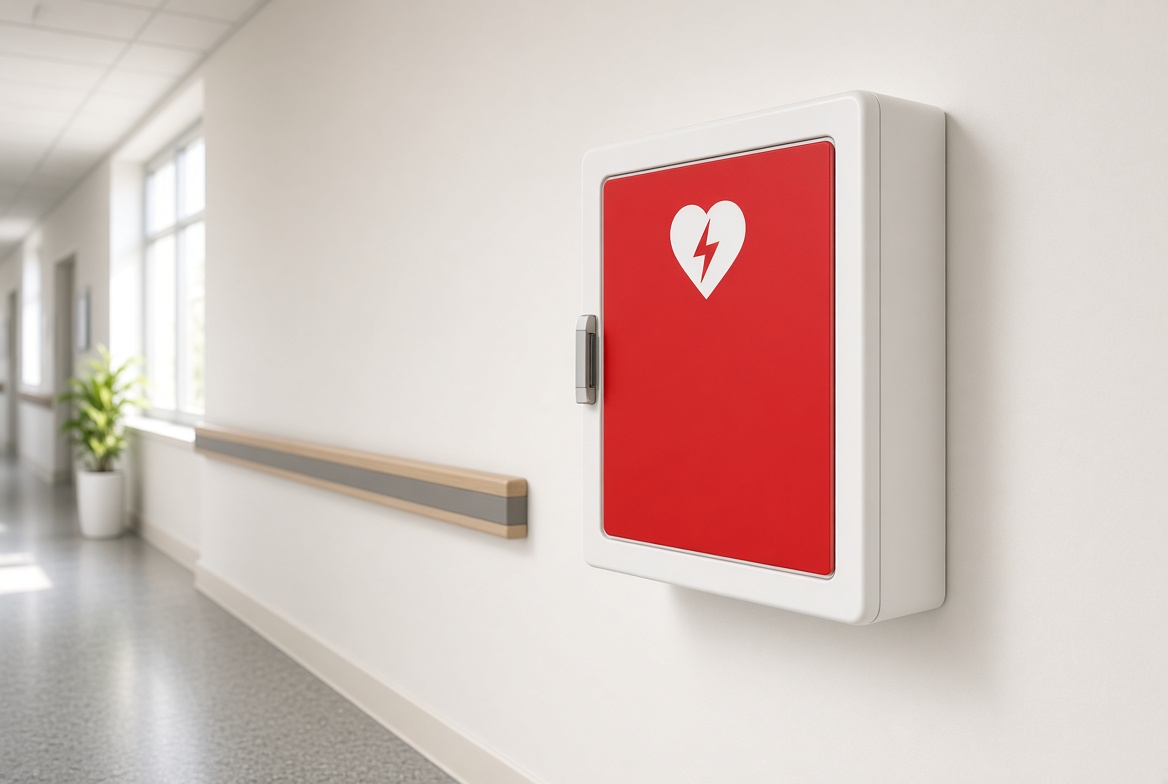
Turn it on, attach the pads, and let the device decide. Compressions still matter between shocks.

Pressure, shortness of breath, and pain that spreads. Call emergency services. Do not drive yourself.

The 2025 update: alternate five back blows and five thrusts, and switch to CPR if the person collapses.
Adult, child, and infant compressions, breaths, and the chain of survival. Courses run about two hours on SimpleCPR.
Read the CPR guideAn automated external defibrillator checks the rhythm and advises a shock only if one is needed.
Read the AED guideCourses follow published ILCOR science and 2025 emergency cardiovascular care guidelines. We are an independent provider.
See the standardsThese organizations publish the science our lessons follow. American Health Association is not affiliated with them.